
Introduction
When temperatures drop and food becomes scarce, many animals vanish from sight—but they’re not gone. They’re hibernating. Hibernation is one of nature’s most fascinating survival strategies, allowing animals to endure harsh environmental conditions by slowing down their metabolism and conserving energy. While it’s often associated with bears, hibernation occurs across many species, from tiny insects to amphibians and mammals.
In this article, we’ll explore the science behind animal hibernation—how it works, which animals do it, why it’s necessary, and the ongoing scientific discoveries that make this natural phenomenon even more impressive.
What Is Hibernation?
Hibernation is a physiological state characterized by:
- Lowered body temperature
- Decreased heart rate and breathing
- Reduced metabolic rate
This allows animals to survive long periods without eating by conserving the energy stored in their body fat. Hibernation is different from simple sleep; it involves extreme bodily changes and can last for days, weeks, or even months.
Why Do Animals Hibernate?
Animals hibernate primarily to cope with seasonal challenges, such as:
- Cold weather that makes body heat regulation difficult
- Lack of food, especially for herbivores and insectivores
- Harsh environments, including dry or frozen habitats
Hibernation enables them to avoid starvation and freezing when resources are at their lowest.
The Phases of Hibernation
Hibernation occurs in distinct stages:
- Entry Phase
The animal begins slowing its metabolism and body temperature. This process can take hours or even days. - Torpor (Deep Hibernation)
The core body temperature drops significantly, and the heart rate can slow to just a few beats per minute. Breathing becomes shallow and infrequent. - Arousal Periods
Surprisingly, most animals don’t stay in torpor continuously. They periodically wake up for brief periods, possibly to eliminate waste or perform unknown biological functions. - Final Arousal
As the season shifts and temperatures rise, animals gradually return to their normal metabolic state and resume regular activity.
Which Animals Hibernate?
Hibernation occurs across a variety of species. Here are some notable examples:
1. Bears
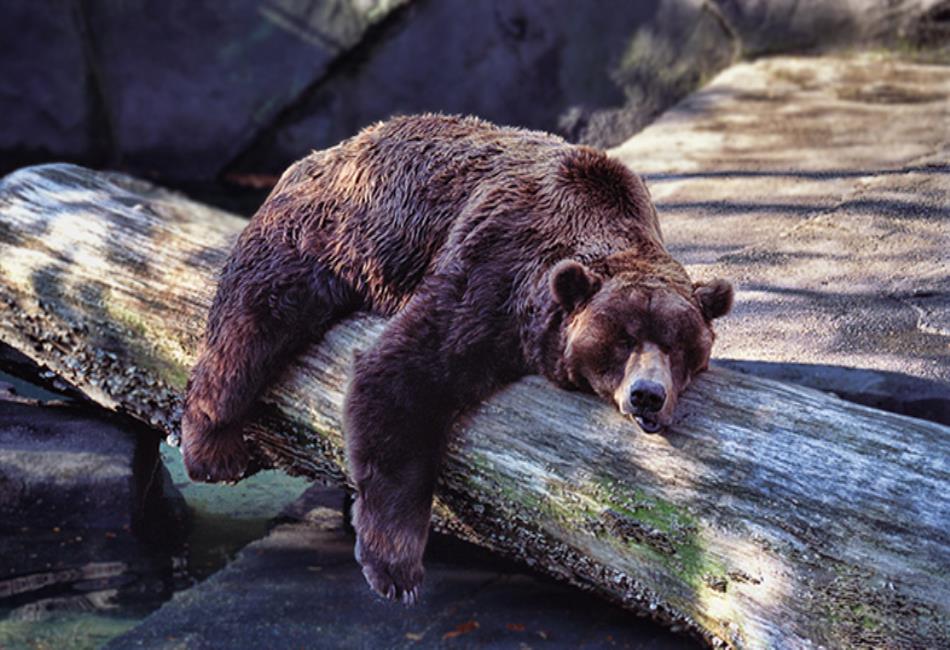
Perhaps the most famous hibernators, bears undergo a modified form of hibernation called torpor. Their body temperature drops only slightly, allowing them to wake quickly if threatened.
2. Ground Squirrels and Chipmunks
These animals are true hibernators. Their body temperature drops close to freezing, and their heart rate slows to just a few beats per minute.
3. Bats
Many species of bats hibernate in caves, drastically lowering their energy use to survive the winter.
4. Amphibians and Reptiles
Frogs and turtles enter a state known as brumation, which is similar to hibernation but suited for cold-blooded animals.
5. Insects
Monarch butterflies and ladybugs enter diapause, a hibernation-like state that pauses development until favorable conditions return.
How Do Animals Prepare for Hibernation?
Preparation is key. Animals must:
- Eat and store fat to fuel their bodies during hibernation
- Find safe, insulated shelters (dens, burrows, caves)
- Slowly adjust their physiology, triggered by changes in daylight and temperature
Many mammals double their body weight in the weeks leading up to hibernation.
What Happens Inside the Body During Hibernation?
Some remarkable biological changes occur:
- Heart rate may drop from 300 beats per minute to less than 10
- Body temperature can drop from 98°F (37°C) to near freezing
- Brain activity decreases significantly, though some reflexes remain
- Fat metabolism becomes the primary energy source
- Insulin sensitivity changes, helping researchers study diabetes
Scientists are fascinated by how animals avoid muscle wasting, dehydration, and organ failure during months of inactivity.
Hibernation vs. Torpor vs. Brumation
| Term | Applies To | Duration | Key Traits |
|---|---|---|---|
| Hibernation | Warm-blooded animals (mammals) | Weeks to months | Full body slowdown, deep state |
| Torpor | Some mammals & birds | Daily or short-term | Light hibernation |
| Brumation | Cold-blooded animals (reptiles, amphibians) | Seasonal | Less energy-intensive, less dramatic |
The Future of Hibernation Research
Hibernation isn’t just fascinating—it’s medically promising.
Scientists are studying hibernation to:
- Improve emergency medicine by mimicking metabolic slowdown
- Aid long-term space travel by reducing astronauts’ resource needs
- Understand age resistance, since hibernating animals age more slowly
The more we understand about how hibernation protects the brain, heart, and muscles, the more we can apply those lessons to human health.
Conclusion
Animal hibernation is an awe-inspiring blend of biology and survival strategy. It shows how nature equips creatures to endure the most extreme environments by radically transforming their physiology. From a tiny bat in a cave to a bear in a snowy den, hibernation is a testament to evolution’s power and efficiency. And as science continues to unlock its secrets, this sleepy survival tactic could have wide-reaching implications for humans too.
FAQs: The Science Behind Animal Hibernation
1. What is the main purpose of hibernation?
Hibernation helps animals survive periods of extreme cold and food scarcity by lowering their metabolic rate and conserving energy.
2. Do all animals hibernate the same way?
No. Some animals, like ground squirrels, enter deep hibernation, while others, like bears, enter a lighter state called torpor.
3. How long does hibernation typically last?
It can last anywhere from a few days to several months, depending on the species and environmental conditions.
4. Can animals wake up during hibernation?
Yes, many animals periodically wake during hibernation for brief periods to adjust their body chemistry or relieve waste.
5. What’s the difference between hibernation and sleep?
Hibernation involves a much deeper and longer-lasting reduction in metabolic activity, temperature, and bodily functions compared to regular sleep.
6. Do cold-blooded animals hibernate too?
Yes, but their process is called brumation, a similar but less intense state suited to reptiles and amphibians.
7. How do animals avoid freezing during hibernation?
Many produce natural antifreeze-like substances or hibernate in insulated environments to prevent freezing.
8. Do animals eat or drink during hibernation?
Most do not. They survive off stored body fat and drastically reduced energy needs.
9. Can humans hibernate?
No, but scientists are exploring ways to mimic hibernation-like states for medical and space-travel purposes.
10. Are pets like hamsters true hibernators?
Some pets like hamsters or hedgehogs may enter brief periods of torpor, but they are not true hibernators like wild animals.

