
Introduction
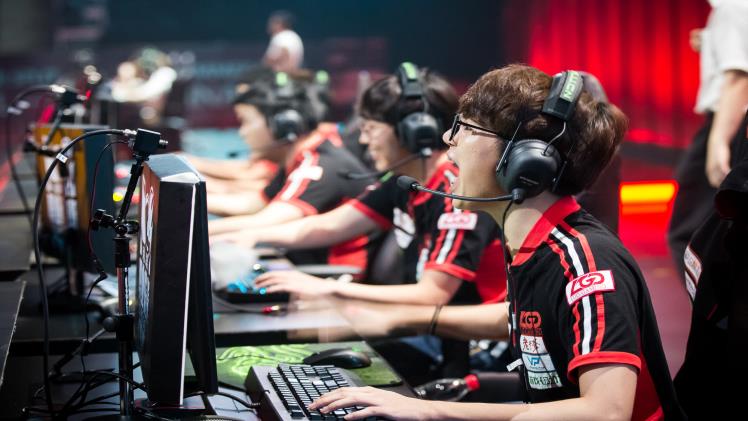
eSports, or electronic sports, have exploded into a billion-dollar global industry. From massive tournaments in sold-out arenas to professional gamers earning six-figure incomes, competitive gaming is no longer just a hobby—it’s a legitimate career path. Whether you’re dreaming of joining a pro team, starting your own stream, or just testing your skills, getting into eSports requires passion, dedication, and a strategic plan.
In this guide, we’ll explore how to get started in eSports, what games to focus on, the skills you need, and how to build a path toward competitive play.
1. Understand What eSports Is
eSports involves organized, competitive video gaming where players face off individually or in teams. Popular genres include:
- First-person shooters (FPS) – Counter-Strike, Valorant, Call of Duty
- Multiplayer online battle arenas (MOBA) – League of Legends, Dota 2
- Real-time strategy (RTS) – StarCraft II
- Battle royale – Fortnite, PUBG, Apex Legends
- Sports simulations – FIFA, NBA 2K
- Fighting games – Street Fighter, Super Smash Bros.
Each game has its own community, tournaments, and pro circuits.
2. Choose the Right Game
Not every game suits every player. Pick one that:
- You genuinely enjoy playing
- Has an active eSports scene
- Offers growth opportunities through tournaments or ranked play
Research the competitive landscape, top teams, and current metas to find a game that aligns with your interests and skill set.
3. Learn the Game Inside Out
Mastery is key to standing out in eSports. Invest time into:
- Understanding mechanics and controls
- Studying strategies and meta shifts
- Watching pro matches and analyzing gameplay
- Practicing consistently
Use tools like coaching platforms, YouTube tutorials, and community forums to enhance your skills.
4. Join the Community
Engaging with the community is essential for learning, networking, and growth. You can:
- Join Discord servers for your game
- Participate in online tournaments and ladders (e.g., ESL, FACEIT, Battlefy)
- Stream your gameplay on Twitch or YouTube
- Follow and engage with pro players and teams on social media
Being visible and active increases your chances of being noticed.
5. Get the Right Gear
While skills matter most, quality equipment can improve your performance:
- A powerful PC or console with good frame rates
- A high-refresh-rate monitor (for PC gaming)
- A responsive mechanical keyboard or pro controller
- A high-DPI mouse with low input lag
- Headset with clear audio and mic for communication
Invest in a stable internet connection to reduce latency during matches.
6. Practice with Purpose
Casual play won’t cut it. Structure your practice like a sport:
- Warm-up sessions
- Review replays and correct mistakes
- Focus on communication and teamwork
- Train specific mechanics (aim trainers, scrims, drills)
Set short- and long-term goals for improvement.
7. Participate in Tournaments
Start with amateur and community tournaments, which are often free or low-cost:
- Join platforms like Toornament, Challonge, or Smash.gg
- Look for local or college-level competitions
- Sign up for online leagues or ladders
These events help you gain experience, build confidence, and showcase your skills.
8. Build Your Personal Brand
Even if you don’t go pro right away, a strong personal brand can open doors:
- Stream regularly on Twitch or YouTube
- Share clips and tips on TikTok or Instagram
- Network with other players and creators
- Keep your content positive, engaging, and authentic
Many eSports careers start with being a content creator or influencer.
9. Explore Different Roles
Not every role in eSports involves playing on stage. You can also get involved as:
- A shoutcaster or commentator
- A coach or analyst
- A team manager
- A content creator or streamer
- An event organizer
Understanding all sides of the industry can give you more opportunities to break in.
10. Stay Committed and Realistic
eSports is competitive and demanding. Not everyone will become a professional player overnight—but persistence pays off. Focus on steady improvement, learning from losses, and staying connected to the community.
Conclusion
Getting started in eSports is both exciting and challenging. Whether you aim to go pro or simply compete at a high level, success requires dedication, practice, and a love for the game. By choosing the right title, engaging with the community, and continuously improving your skills, you can carve your own path in this dynamic and fast-growing industry.
FAQs: How to Get Started in eSports
1. Do I need to be a professional to compete in eSports?
No. Many tournaments are open to amateurs and newcomers. Starting small helps you gain experience before aiming for professional levels.
2. What are the best games to start with in eSports?
Popular and beginner-friendly options include Valorant, Rocket League, Fortnite, League of Legends, and Super Smash Bros.
3. How do I get noticed by eSports teams?
Build a strong presence through online tournaments, consistent streaming, social media content, and networking with other players.
4. Do I need expensive equipment to play competitively?
Good equipment helps, but it’s not mandatory at the beginning. Focus on skill development first, then upgrade gradually.
5. Can I start an eSports career without being a player?
Yes. Careers in casting, coaching, event management, and content creation are also essential parts of the eSports ecosystem.
6. How much time should I dedicate to practice?
It varies, but dedicated players often practice several hours a day. Quality and consistency matter more than sheer volume.
7. Are there age restrictions for eSports?
Yes, many tournaments have minimum age limits (often 13–18). However, younger players can still train and compete in unofficial events.
8. Where can I find amateur eSports tournaments?
Check platforms like Battlefy, ESL Play, Toornament, and Discord communities for amateur events and ladders.
9. Is college eSports a good starting point?
Absolutely. Many colleges offer eSports scholarships, teams, and structured programs that help players grow competitively and academically.
10. What are some common mistakes beginners make in eSports?
Skipping fundamentals, ignoring teamwork, and focusing only on winning can slow your progress. Prioritize learning and consistency.

