
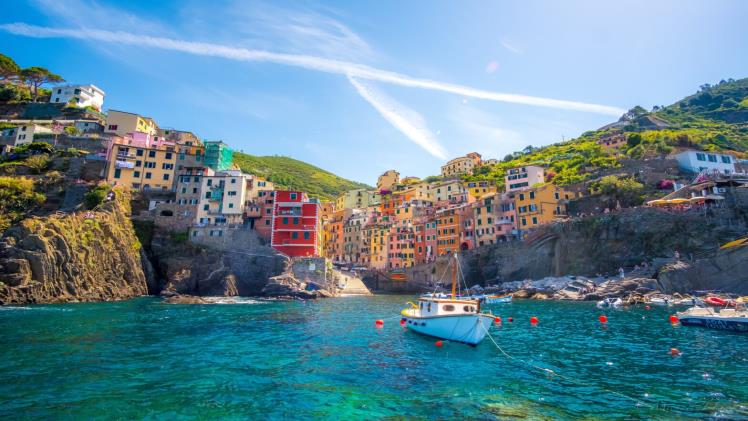
From the turquoise waters of the Mediterranean to the rugged cliffs of the Atlantic, Europe is home to some of the most stunning coastal towns in the world. Whether you’re looking for a peaceful seaside escape, charming old-world architecture, or vibrant beach culture, these coastal gems offer a perfect mix of natural beauty and cultural richness.
Here are some of the most beautiful coastal towns in Europe that should be on every traveler’s bucket list.
1. Positano, Italy
Perched on the dramatic cliffs of the Amalfi Coast, Positano is the definition of romantic charm. Its cascading pastel-colored houses, narrow streets lined with boutiques, and panoramic views of the Tyrrhenian Sea make it one of Italy’s most picturesque towns.
Highlights:
- Hike the “Path of the Gods” for spectacular views.
- Explore the pebble beachfront and swim in crystal-clear waters.
- Savor seafood pasta with a glass of local limoncello.
2. Saint-Tropez, France
Once a humble fishing village, Saint-Tropez has transformed into a glamorous hotspot for the rich and famous. Despite its popularity, it still retains its Provençal charm with cobblestone streets, colorful markets, and a harbor filled with luxury yachts.
Highlights:
- Relax on Pampelonne Beach.
- Stroll through the old town’s art galleries and cafes.
- Visit the Citadel of Saint-Tropez for panoramic views.
3. Rovinj, Croatia
Located on the Istrian Peninsula, Rovinj is a medieval town that feels like a living postcard. With its narrow alleyways, vibrant facades, and stunning sunsets, Rovinj offers a perfect blend of Croatian culture and Adriatic allure.
Highlights:
- Wander the cobbled streets of the old town.
- Climb the bell tower of St. Euphemia’s Church.
- Take a boat trip to the nearby islands.
4. Cascais, Portugal
A short train ride from Lisbon, Cascais is a chic seaside town that blends history, culture, and beach life. Its charming marina, beautiful mansions, and relaxed vibe make it a favorite for locals and tourists alike.
Highlights:
- Cycle along the coastal promenade to Guincho Beach.
- Explore the Boca do Inferno (Hell’s Mouth) rock formation.
- Visit the Museu Condes de Castro Guimarães.
5. Cinque Terre, Italy
Comprised of five colorful villages—Monterosso, Vernazza, Corniglia, Manarola, and Riomaggiore—Cinque Terre clings to the cliffs of the Ligurian coast and offers breathtaking views at every turn.
Highlights:
- Hike the coastal trail connecting all five villages.
- Take a sunset boat tour along the coast.
- Enjoy fresh seafood and local wines at cliffside restaurants.
6. Kotor, Montenegro
Tucked away in the Bay of Kotor, Kotor is a UNESCO World Heritage site filled with Venetian architecture, medieval walls, and a stunning mountainous backdrop.
Highlights:
- Climb the fortress of San Giovanni for panoramic views.
- Get lost in the Old Town’s maze-like streets.
- Take a boat tour to Our Lady of the Rocks islet.
7. Nafplio, Greece
While islands like Santorini and Mykonos steal the spotlight, Nafplio on mainland Greece is a hidden coastal treasure. It boasts neoclassical buildings, seaside promenades, and historical fortresses overlooking the Aegean Sea.
Highlights:
- Visit Palamidi Fortress with its 999-step climb.
- Swim at Arvanitia Beach.
- Explore the charming Syntagma Square.
8. Cadaqués, Spain
Tucked along the Costa Brava, Cadaqués is a whitewashed fishing village with deep artistic roots—Salvador Dalí once called it home. Its serene beaches and bohemian atmosphere make it a peaceful coastal escape.
Highlights:
- Visit Dalí’s house in Port Lligat.
- Enjoy local tapas by the waterfront.
- Discover nearby Cap de Creus Natural Park.
9. Biarritz, France
Located in the Basque Country, Biarritz is a surfer’s paradise with elegance. Its mix of French sophistication and Atlantic coast vibes attracts everyone from beach lovers to royalty.
Highlights:
- Watch surfers at the Grand Plage.
- Explore the Aquarium and historic lighthouse.
- Walk along the Rocher de la Vierge.
10. Lindau, Germany
On the shores of Lake Constance, Lindau is a picturesque town that feels like a coastal retreat—despite being inland. With its charming harbor, historic lighthouse, and Bavarian-style architecture, Lindau is a unique destination for a waterfront holiday.
Highlights:
- Visit the iconic harbor lighthouse and lion statue.
- Explore the Old Town island.
- Take a boat ride across the lake to Austria or Switzerland.
Tips for Visiting Europe’s Coastal Towns
- Travel in shoulder seasons (May–June or September–October) for fewer crowds and pleasant weather.
- Pack comfortable shoes for exploring hilly or cobbled towns.
- Use public transport or ferries when available—they’re often scenic and convenient.
- Respect local customs and protect the environment by avoiding littering and over-tourism hotspots.
Conclusion
From the elegance of Saint-Tropez to the timeless charm of Kotor, Europe’s coastal towns offer something for every type of traveler. Whether you’re drawn to art, history, sun-soaked beaches, or simply the sea breeze, these towns are a perfect blend of beauty and culture. As travel continues to evolve, one thing remains certain: the allure of Europe’s coastline is timeless.
FAQs: The Most Beautiful Coastal Towns in Europe
1. What is the best time to visit coastal towns in Europe?
The best time is typically during the shoulder seasons—May to June and September to early October—when the weather is pleasant and crowds are smaller.
2. Are these coastal towns family-friendly?
Yes, many towns like Cascais, Lindau, and Rovinj are known for being safe, walkable, and offering activities for all ages.
3. Do I need a car to explore these towns?
It depends on the destination. Some towns (like Cinque Terre or Kotor) are best explored on foot or via public transport, while others may benefit from having a rental car for nearby excursions.
4. Are these towns suitable for budget travelers?
While some towns like Saint-Tropez are known for luxury, others like Cadaqués, Rovinj, and Nafplio are more budget-friendly, especially in the off-season.
5. Can I visit multiple coastal towns in one trip?
Yes! Some towns are located close together—such as those in Italy’s Amalfi Coast or Croatia’s Adriatic coast—making multi-stop itineraries very feasible.
6. Are there ferry or boat connections between these towns?
Many coastal towns in the Mediterranean and Adriatic regions offer ferry services, making island-hopping or coastal cruising a scenic option.
7. What are the must-try local dishes in these towns?
Each town has regional specialties, such as:
- Seafood risotto in Rovinj
- Bouillabaisse in Saint-Tropez
- Lobster spaghetti in Positano
- Grilled sardines in Cascais
8. Is English widely spoken in these coastal towns?
In most tourist-friendly towns, basic English is commonly spoken, especially in restaurants, hotels, and tourist services. Still, learning a few local phrases is always appreciated.
9. Are these towns good for solo travelers?
Absolutely. Towns like Cadaqués, Nafplio, and Cinque Terre are known for being safe, scenic, and full of cultural attractions, making them ideal for solo exploration.
10. Do I need to book accommodations in advance?
Yes, especially during peak summer months, it’s best to book hotels or Airbnb stays well in advance to secure the best locations and rates.

